Planned, communicated and controlled
Health & Safety in Groundworks & Civil Engineering
Health, safety and wellbeing are built into how Durkan & Sons plans, manages and delivers construction work. Our arrangements are supported by an in-house management system, competent teams and active site monitoring.
Our commitment
Safety Is Part of the Delivery Plan
Good safety performance starts before work begins and continues through every change in activity, access, sequencing and site conditions.
Durkan & Sons maintains an in-house Health and Safety Management System covering planning, competence, risk assessment, communication, monitoring and review.
Our safety team supports operational management and site teams through inspections, advice, audits and performance monitoring. The aim is straightforward: identify risk early, apply suitable controls and make sure those controls remain effective in practice.
Plan the Work
Hazards, interfaces, access and sequencing considered before activities begin.
Communicate Clearly
Inductions, RAMS briefings and toolbox talks keep expectations understood.
Monitor the Site
Supervision, inspections and audits check that controls remain effective.
Learn and Improve
Hazards, observations and lessons are used to strengthen future delivery.
Managed from planning to completion
How We Manage Construction Safety
The management system provides a consistent framework, while the controls are adapted to the project, task and conditions on site.
Pre-Construction Planning
Scope, design information, site constraints, logistics and high-risk interfaces are reviewed before mobilisation.
Risk Assessment & RAMS
Activities are assessed and supported by suitable method statements, briefings and task controls.
Permits & Safe Systems
Permit arrangements and safe systems are used where additional control or authorisation is required.
Training & Induction
Personnel receive relevant induction, instruction, training and competency checks for their work.
Inspection & Audit
Site inspections and audits review conditions, behaviour, documentation and the effectiveness of controls.
Reporting & Review
Hazards, observations and incidents are reviewed so actions and lessons can be shared.
Controls applied on site
From Written Arrangements to Daily Behaviour
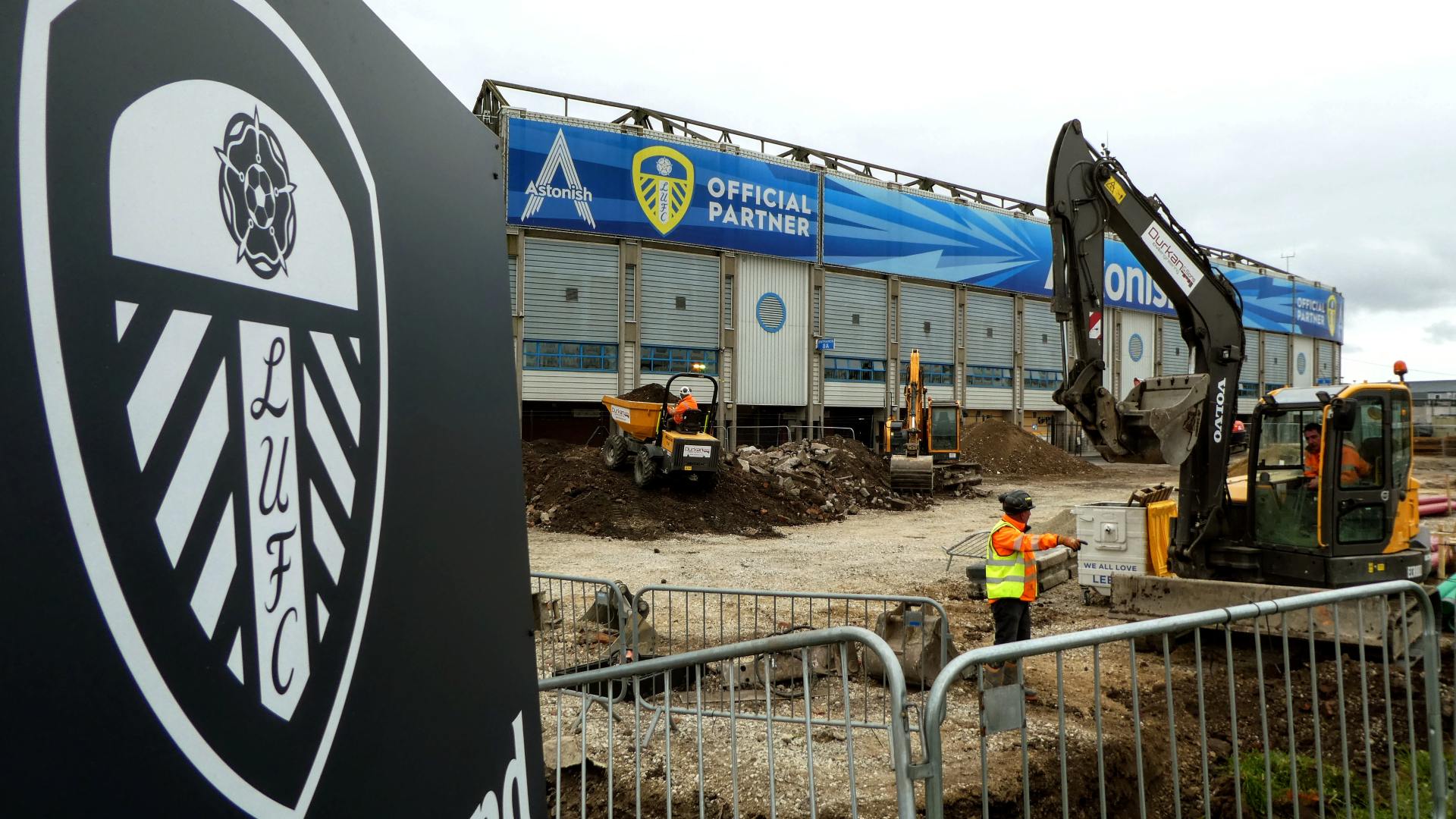
Documents alone do not create a safe site. Supervisors and site teams must understand the controls, recognise changing conditions and act when the plan no longer matches the work.
Our approach combines formal planning with regular communication and visible site checks.
- Site-specific inductions
- RAMS and task briefings
- Daily coordination and supervision
- Toolbox talks
- Plant and work-area inspections
- Hazard and near-miss reporting
Controls matched to the work
Managing Groundworks & Civils Risk
Groundworks and civil engineering create changing work fronts and interfaces. Particular attention is given to activities where the consequences of poor control can be serious.
Excavations & Ground Conditions
Planning considers stability, support, access, inspection, water and nearby structures or services.
Plant & Pedestrian Interface
Routes, exclusion zones, visibility, reversing controls and coordination reduce interface risk.
Underground & Overhead Services
Available information, surveys, locating, permits and safe excavation methods support service avoidance.
Lifting Operations
Lifts are planned around the load, equipment, ground conditions, lifting accessories and work area.
Temporary Works
Temporary arrangements are identified, coordinated and controlled in line with the project requirements.
Public & Site Protection
Boundaries, access points, deliveries and work areas are managed to protect workers and others nearby.
People, communication and wellbeing
Everyone Has a Part to Play
Safe delivery depends on people being competent, properly briefed and willing to speak when conditions change or something does not look right.
We encourage hazards and concerns to be raised early, before they develop into incidents. Supervisors reinforce expectations through daily coordination, toolbox talks and site engagement.
Health and wellbeing are considered alongside physical safety because fatigue, communication and working conditions can all affect decision-making and performance.
What Good Safety Culture Looks Like
- Clear responsibilities and supervision
- Relevant information available before work
- Workers involved in task planning and briefings
- Hazards and concerns reported promptly
- Lessons shared across teams and projects
- Standards reinforced consistently
Assurance and improvement
Checking That the System Works
Safety arrangements are monitored so gaps can be corrected and useful lessons carried into future projects.
Inspect
Review physical conditions, work practices and the controls being applied on site.
Record
Document findings, observations and actions so responsibility and status remain clear.
Correct
Address immediate issues and identify where broader changes or support are required.
Improve
Use trends and lessons to strengthen planning, briefings, training and future controls.
Need Safety Information for a Project or Tender?
Contact our team to discuss project requirements or request relevant company information.